
"early coffee imports"
6000 article(s) found

An important name in the history of Suriname coffee
Surinam, an important name in coffee history, was the first country in South America to grow coffee, and Norway was once a major importer of its coffee products. However, the country's output is very small today, and it is mentioned here only for historical reasons. The Dutch, who settled in Suriname in 1667, introduced coffee trees from Java in the early 18th century. The first coffee trees were made by Az.

An important name in the history of coffee Suriname
Surinam, an important name in coffee history, was the first country in South America to grow coffee, and Norway was once a major importer of its coffee products. However, the country's output is very small today, and it is mentioned here only for historical reasons. The Dutch, who settled in Suriname in 1667, introduced coffee trees from Java in the early 18th century. The first coffee trees were made by Az.

An important name in the history of Suriname coffee
An important name in the history of Surinam coffee is Suriname, the first country in South America to grow coffee, and Norway was once a major importer of its coffee products. However, the country's output is very small today, and it is mentioned here only for historical reasons. The Dutch, who settled in Suriname in 1667, introduced coffee trees from Java in the early 18th century. The first batch of coffee trees

The Origin and History of Coffee beans
By the 16th century, early merchants had sold coffee in Europe, thus introducing coffee as a new drink into Western customs and life. Most of the coffee exported to the European market comes from Alexandria and Smyrna, but with the growing market demand, high tariffs imposed by import and export ports and people on coffee trees

When making coffee by hand, the method of extraction with emphasis on flavor is introduced.
Professional coffee knowledge exchange more coffee bean information Please pay attention to the coffee workshop (Wechat official account cafe_style) when making coffee by hand, the early extraction part with the most dissolved coffee ingredients should be concentrated extraction, and the later extraction part of the taste and alcohol thickness should be extracted at the normal concentration.

The reason why the flavor of Arabica coffee beans is better than that of Robusta.
A few days before Napoleon died on St. Helena Island in 1821, his attendant Marshal Bertrand wrote about Napoleon begging: "he asked for twenty times in the morning and asked me if I could give him some more coffee." "No, my lord, the doctor ordered you to drink only one spoonful of coffee. It's not time yet. You have a bad stomach. Drinking early will only make you vomit early. "he threw up nine times this morning.

An important name in the history of coffee Suriname
An important name in the history of coffee. Suriname (Surinam) was the first country in South America to grow coffee, and Norway was once a major importer of coffee products. However, the country's output is very small today, and it is mentioned here only for historical reasons. The Dutch, who settled in Suriname in 1667, introduced coffee trees from Java in the early 18th century. The first coffee trees were made up of

The details of opening a coffee shop can not be ignored.
1. The layout determines the outcome. The site selection in the early stage is very important. The larger 1000-meter and more-than-2000 square meters of stores should be located in the administrative district or the more dense commercial areas, and the middle and bottom 100-500-square-meter stores should be located in dense residential areas, office buildings, university towns, hospitals and so on. 2; environment. Grade determines the number of consumers, determines what kind of people the coffee shop receives, and what you have to have.

Coffee training Culture Coffee and Japanese Culture
As early as the end of the 17th century, the Dutch brought coffee to Asia in the early 18th century, and coffee was soon introduced to Japan. Before and after the Meiji Restoration, Japan advocated total westernization, and the coffee culture with Dutch flavor took root in Japan. During the Taisho period (1879-1926), due to the pervasive atmosphere of freedom and democracy, fresh and luxuriant culture, cafes have been very prosperous. But with the Japanese army,

Ami siphon coffee pot makes coffee. Why is the coffee so light?
Ami siphon coffee pot brews coffee why the coffee is so light. When stirring coffee, it is important to stir evenly so that the coffee can be fully extracted. in the early years, when Bird learned how to make siphon coffee, he knew that a cross stirring method was very complicated and mysterious. Later, he learned that because the early coffee teaching courses were mainly siphon pots, if only mixing evenly, students would feel that there was no skill.

Basic knowledge of Coffee and Japanese Fine Coffee Culture
As early as the end of the 17th century, the Dutch brought coffee to Asia in the early 18th century, and coffee was soon introduced to Japan. Before and after the Meiji Restoration, Japan advocated total westernization, and the coffee culture with Dutch flavor took root in Japan. During the Taisho period (1879-1926), due to the pervasive atmosphere of freedom and democracy, fresh and luxuriant culture, cafes have been very prosperous. But with the Japanese army,

Coffee and the Story of Coffee Culture in Japan
As early as the end of the 17th century, the Dutch brought coffee to Asia in the early 18th century, and coffee was soon introduced to Japan. Before and after the Meiji Restoration, Japan advocated total westernization, and the coffee culture with Dutch flavor took root in Japan. During the Taisho period (1879-1926), due to the pervasive atmosphere of freedom and democracy, fresh and luxuriant culture, cafes have been very prosperous. But with the Japanese army,
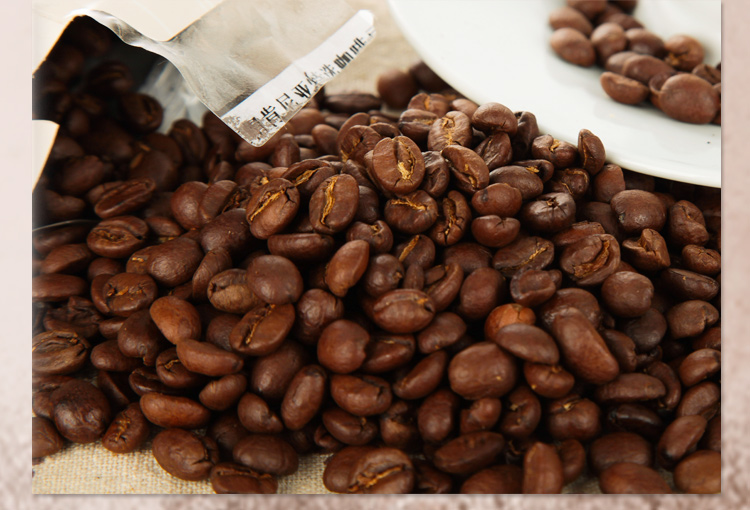
Imported coffee beans 2016 Kenyan coffee raw beans wholesale how to make Kenyan coffee
KENYAAA Coffee (Kenya Coffee) is a typical coffee cultivated in the highlands of Africa. AA stands for its grade, that is, the highest grade, and its coffee beans are thick and round in meat, strong in taste and good in quality, and are usually lightly roasted. Getting up early in the morning to have a cup of Kenya has a refreshing effect. Kenyan coffee tastes so unique that there is almost no similar coffee. Kenyan coffee is characterized by its distinctive features.
Basic culture of boutique coffee Shanghai coffee culture
Coffee is an imported product. In the early years, coffee was translated into a variety of names, and even fattened. With the opening of Shanghai, coffee sprang up in the concession. Many fashionable Shanghainese also go to taste fresh, often complaining bitterness and shouting that it tastes as bad as cough potion. However, with the popularity of western food in Shanghai, coffee is gradually accepted by most people. By Zhu Wenbing.

Coffee shop brand and brand visual effect
For the early days of running a coffee shop, the positioning covered is very important. At present, the market for coffee cups in China is relatively unscientific and irregular. The inferior situation is very difficult to improve at present! In China, it is not difficult to run a coffee shop and own its own coffee cups, but the manufacturers who make cups have regulations on the quantity and price.
China's Fine Coffee Culture Shanghai Coffee Culture
Coffee is an imported product. In the early years, coffee was translated into a variety of names, and even fattened. With the opening of Shanghai, coffee sprang up in the concession. Many fashionable Shanghainese also go to taste fresh, often complaining bitterness and shouting that it tastes as bad as cough potion. However, with the popularity of western food in Shanghai, coffee is gradually accepted by most people. By Zhu Wenbing.
Coffee in Japan
As early as the end of the 17th century, the Dutch brought coffee to Asia in the early 18th century, and coffee was soon introduced to Japan. Before and after the Meiji Restoration, Japan advocated total westernization, and the coffee culture with Dutch flavor took root in Japan. During the Taisho period (1879-1926), due to the pervasive atmosphere of freedom and democracy, fresh and luxuriant culture, cafes have been very prosperous. But with the Japanese army,

Coffee and Japan
As early as the end of the 17th century, the Dutch brought coffee to Asia in the early 18th century, and coffee was soon introduced to Japan. Before and after the Meiji Restoration, Japan advocated total westernization, and the coffee culture with Dutch flavor took root in Japan. During the Taisho period (1879-1926), due to the pervasive atmosphere of freedom and democracy, fresh and luxuriant culture, cafes have been very prosperous. But with the Japanese army,
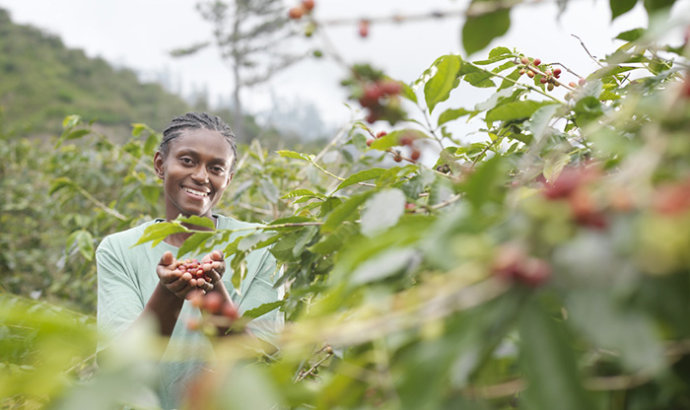
The abnormal prosperity of Brazil's "coffee kingdom"
From the early 16th century to the 1820s, Portugal colonized Brazil for more than 300 years. Portugal colonial rule had a profound impact on Brazil's economy, politics, society and culture. Single product system and large estate system became fetters restricting the development of modern Brazil's economy. Due to the incomplete nature of the independence movement, Brazil remained a colony for 100 years after independence.

Tips and Mistakes in Using Siphon Kettle American Fine Coffee Society Chinese Coffee Net Siphon Coffee Making
The use of siphon pot skills and errors: 1. When stirring coffee, it is important to stir evenly, so that coffee can be fully extracted. When Bird Brother learned siphon coffee making in the early years, he knew that a cross method of stirring was very complicated and mysterious. Later, he learned that because the coffee teaching courses in the early years were mostly based on siphon pots, if only stirring evenly, students would feel that there was no technical content to pay tuition fees.